







Search Results for: coffee concentration meter

How is the extraction yield of immersion brewing calculated? Concentration measurement and practical demonstration under the Golden Cup theory
In the Golden Cup extraction theory, extraction yield and concentration are the two core metrics for assessing the flavor state of coffee. However, coffee that falls within the ideal range is not necessarily delicious, and coffee outside the range is not necessarily undrinkable—the key lies in how to use these two values to help adjust the brewing plan. From the perspective of Front Street, this article first clarifies the basic definitions and ideal ranges of extraction yield and concentration, then explains in detail how to use two sets of concentration measuring tools, and finally uses the Santa Vini anaerobic natural beans as an example to fully demonstrate the entire process from weighing the liquid weight to plugging it into the formula to calculate the extraction yield. [more…]

ATAGO Coffee Concentration Meter Operation Guide: A Complete Analysis from Zero Calibration to Extraction Yield Calculation
For coffee enthusiasts pursuing precise extraction, the ATAGO refractometer is a common professional tool. This article focuses on three coffee refractometers under the brand—4523, 4532, and 4533—sorting out their differences and purchasing advice, and addresses questions about accuracy comparisons with the VST LAB. Then, using the 4532 TDS model as an example, it explains step by step the practical essentials such as the unboxing checklist, battery installation, zero calibration, concentration measurement, and extraction yield calculation. The article also particularly reminds readers of easily overlooked details such as zeroing frequency, sample temperature, and cleaning taboos. If you are currently using or considering purchasing an ATAGO refractometer, this guide will help you avoid common pitfalls and make every measurement more reliable. Front Street Coffee also emphasizes the standardized use of such instruments in daily quality control. [more…]
How to determine the coffee-to-water ratio for pour-over coffee? The Golden Cup extraction yield and strength calculation and practical methods to avoid over-extraction
Many coffee enthusiasts have encountered this confusion: for the same beans, why does the taste always differ between what you brew yourself and what a Front Street barista brews? In fact, this involves two core concepts—extraction yield and concentration. This article, based on the daily experience of Front Street Coffee (FrontStreet Coffee), systematically explains what coffee extraction yield is, how to measure extraction yield using a TDS concentration meter, and the conversion relationships in the SCAA Golden Cup standard among 18%–22% extraction yield, 1.15%–1.35% concentration, and a 1:12–1:15 coffee-to-water ratio. The article also reviews the historical origins of the Golden Cup theory and, using Front Street's brewing of Panama Elida Natural Typica as an example, provides complete staged pouring parameters and the extraction yield calculation process, helping you brew a cup of pour-over coffee at home that is not over-extracted and has a pleasing flavor. [more…]
How Is the Golden Cup Extraction Yield for Pour-Over Coffee Calculated? A Detailed Explanation from Concentration Measurement to Front Street Coffee Practical Cases
How exactly should the extraction yield and strength of pour-over coffee be calculated? The golden cup extraction yield range defined by the SCAA is 18% to 22%, corresponding to a TDS strength of about 1.15% to 1.35%, while the coffee-to-water ratio falls within the range of 1:12 to 1:15. This theory originates from Dr. Lockhart's scientific experiments in the 1950s, in which he quantified coffee flavor and laid the foundation for the golden cup standard. This article starts from the daily brewing at Front Street Coffee, explains the definitions of extraction yield and strength, the conversion formulas, and how to use a refractometer, and, using beans from Panama's Elida Estate as an example, fully demonstrates the parameter settings, pouring rhythm, and extraction yield calculation process of a staged pour-over, helping coffee enthusiasts understand the practical application and reference value of the golden cup theory. [more…]

How Is the Extraction Yield of Pour-Over Coffee Calculated? A Complete Guide to the Golden Cup Extraction Theory's Formula and Practical Methods
Should brewing coffee rely on feeling or on data? With the maturation of extraction theory, pour-over coffee has gradually moved from empiricism toward a scientific approach. As a classic reference, the Golden Cup extraction standard, although some of the ranges in its 1.0 version are no longer fully suited to the present, still leaves behind extraction yield and concentration calculation formulas that remain practical today. From Front Street's perspective, this article first reviews the background of the Golden Cup standard and Lockhart's research journey, then focuses on explaining two methods for calculating extraction yield: the traditional dry weighing method, and the method of using a TDS meter to infer extraction yield from concentration. The article also summarizes the definitions of concentration and extraction yield, their interrelationship, and conversion formulas, and reminds that for drip coffee, the water absorbed by the coffee bed requires correcting the weight of the brewed liquid, helping you more accurately evaluate the performance of a cup of pour-over. [more…]
How to determine the coffee-to-water ratio for pour-over coffee? From the Golden Cup extraction principle to Front Street Coffee's 1:15 parameter practical analysis
How exactly should the coffee-to-water ratio for pour-over coffee be determined? Front Street Coffee has always recommended 1:15, and this is not an arbitrary choice behind it, but a scientific calculation based on the SCA Golden Cup extraction theory. This article will start with the Golden Cup standard, the definitions of extraction yield and concentration, gradually explain the ratio ranges corresponding to different tastes, and use a Costa Rica Geisha blend as an example to actually calculate concentration and extraction yield, helping you find the brewing parameters that suit you between theory and practice. [more…]
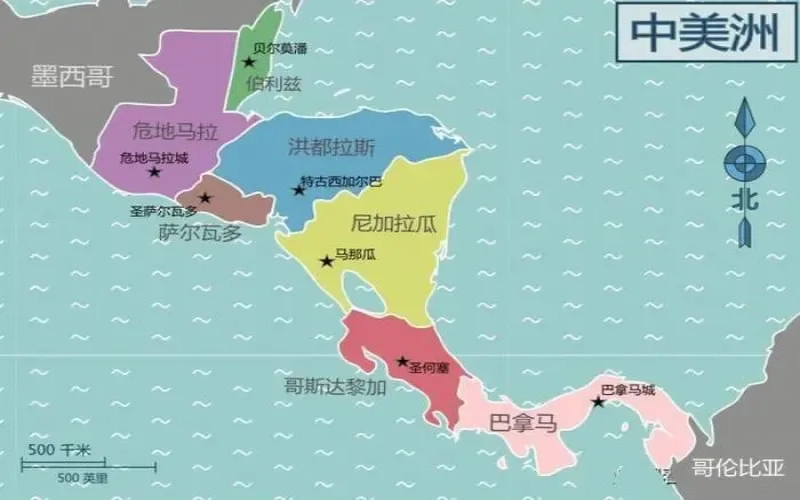
In which provinces are Panama's coffee-growing regions concentrated? A geographical and terroir analysis of famous estates such as Hacienda La Esmeralda and Elida
Although Panama has a limited land area, it occupies a key position in the global specialty coffee landscape thanks to its unique terroir. Its coffee cultivation is mainly concentrated in three areas of western Chiriquí Province—Boquete, Volcán, and Renacimiento—forming a superior microclimate environment around Barú Volcano. This article reviews the development of Panama's coffee industry from a production-oriented focus to specialization, explains in detail the geographical advantages of the Boquete producing region and the distribution of well-known estates, and introduces the history, planting scale, and competition performance of Elida Estate, while also including flavor descriptions of related Front Street Coffee products, providing coffee enthusiasts with a complete framework for understanding the producing region. [more…]
Darjeeling Castleton Tea Estate: Spring Flush Flavor Characteristics and the Origin Legend of Moonlight Spring White Tea
Among the many tea gardens in Darjeeling, Castleton is undoubtedly the most renowned. It was personally planted by Dr. Charles Graham in 1885 and is now part of the Goodricke Group, famous worldwide for its Moonlight White tea and first flush tea. The garden spans the slopes of Kurseong and Pankhabari, rising from 980 meters to 2300 meters in altitude. Of its 170 hectares under cultivation, 70% are heritage tea bushes, and it also possesses quality clonal varieties such as AV2 and Seeyok 1240. The high altitude and low-oxygen environment cause the tea to grow slowly, yet it concentrates richer flavors. Front Street Coffee's first 2021 China Red purchased this year comes from here—a first flush at 4,000 feet, with a medium-bodied yet balanced cup, fresh citrus, sweet green notes, and a finish carrying stone fruit and woody aromas. This article will take you into Castleton and savor in detail the aroma, taste, and aftertaste of its first flush tea. [more…]
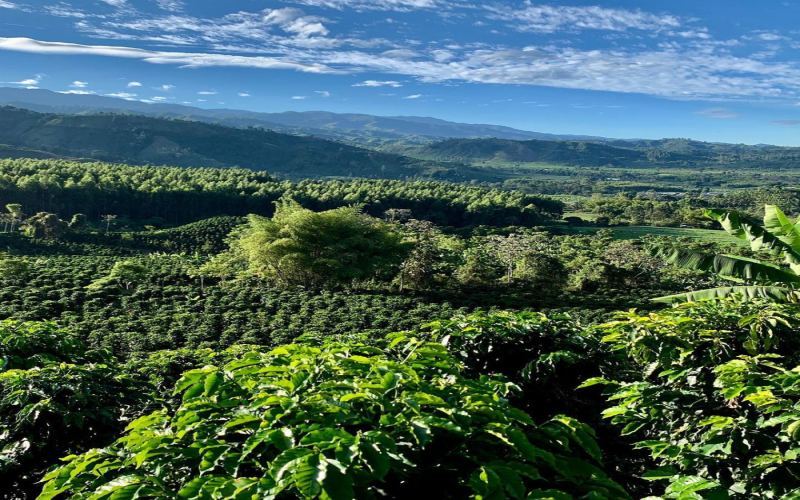
A Comprehensive Analysis of Colombian Arabica Coffee Beans: Origins, Flavor Profiles, Grading Systems, and Processing Methods
Colombia is the world's third-largest coffee producer. Thanks to the diverse microclimates of the Andes and its high-altitude growing environment, it cultivates coffees with soft fruity acidity, nutty aromas, and excellent balance. From the classic Medellín, Armenia, and Manizales to Huila, Cauca, and Nariño in the south, each producing region presents a distinctly different flavor profile. This article systematically reviews the main characteristics of Colombia's Arabica coffee regions, variety composition, washed and specialty processing methods, and the grading system based on screen size, and also includes brewing parameters and flavor descriptions for several Colombian beans from Front Street Coffee, helping coffee lovers gain a comprehensive understanding of this major South American coffee country. [more…]
An In-Depth Analysis of Coffee Extraction: Concentration Measurement, Extraction Yield Conversion, and Calculation Methods for Various Brewing Devices
Coffee extraction is the key step that determines flavor. About 30% of coffee beans consists of soluble substances, including both aromatic components and mouthfeel-related compounds, and a higher extraction yield does not necessarily mean better quality. This article systematically introduces concentration measurement methods (refractometer, conductivity pen, evaporation and drying), explains the extraction yield conversion formula in detail, and provides specific calculation steps for different brewing devices such as immersion, pour-over, and espresso. It also includes the golden cup concentration recommendations from the SCAA and SCAE, as well as relevant product information from the Front Street Coffee brand, to help enthusiasts understand extraction more scientifically. [more…]

How Many Times the Coffee Dose Should the Blooming Water Be for Pour-Over? A Practical Comparison of 2x vs. 4x and a Detailed Explanation of the 30-Second Blooming Principle
The blooming phase in pour-over coffee seems simple, yet the choice of water amount often sparks debate: some insist on twice the coffee dose in water, while some shops advocate that four times the water amount allows for more even degassing. Front Street Coffee conducted a controlled experiment using an Ethiopian Chaka bean, fixing the dose at 15g, the coffee-to-water ratio at 1:15, the water temperature at 92°C, the grind size at a 75%~80% passing rate through a No. 20 sieve, and the total time at 2 minutes, changing only the blooming water amount (30ml vs 60ml), then comparing the differences between the two brews through sensory evaluation and concentration meter measurements. The results showed that the coffee bloomed with twice the water amount had a concentration of 1.54% and an extraction yield of 21.2%, with a richer and more solid flavor; the one bloomed with four times the water amount came in at 1.48% and 20.36%. The article further explains the principle of degassing during blooming, why conventional brewing defaults to twice the water amount, and why special techniques such as the stirring method require more water for blooming, helping you find a blooming strategy that suits you. [more…]
African beans have bright fruity notes, American beans are rich and balanced: understanding the classic flavors of the two major regions in one article
In the world of coffee, origin largely determines the direction of flavor in the cup. African beans are known for their bold floral and fruity aromas, with lively, transparent acidity, like a glass of freshly squeezed juice; American beans, by contrast, excel in balance and harmony, with caramel and nutty sweetness interwoven and a smooth, delicate mouthfeel. This article will take you through three African representatives—Ethiopia Yirgacheffe Red Cherry, Limu G2, and Burundi Heart of Africa—as well as two renowned American beans, Costa Rica Honey Process and Honduras San Juan Guito, breaking down each one by terroir conditions, processing methods, and cup performance. Fruity-style and balanced-style go head-to-head on the same stage—which one will better capture your taste buds? [more…]
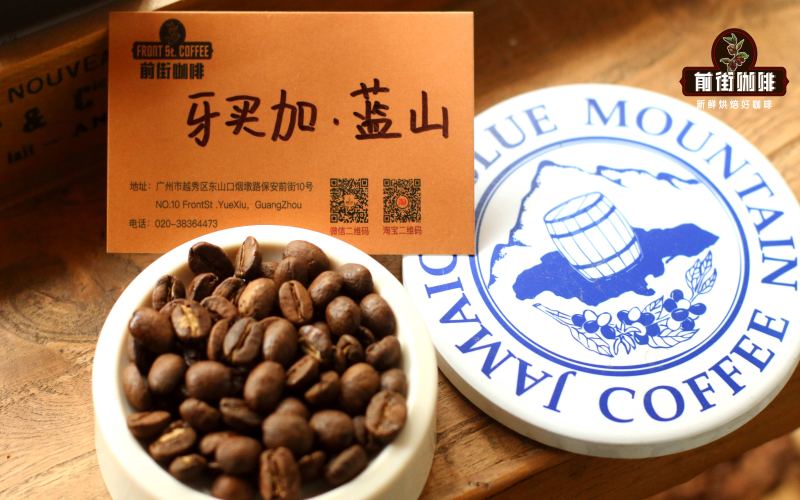
A Comprehensive Analysis of Jamaican Blue Mountain Coffee: From Production Region and Grades to Practical Brewing Guides for Espresso and Pour-Over
Blue Mountain coffee, as Jamaica's most representative specialty coffee, is world-renowned for the elegant flavors of the Typica variety and its strict grading system. This article begins with the historical origins of the Blue Mountain region, the washed processing method, and the CIB grading standards, then introduces the identifying characteristics of Blue Mountain No. 1 coffee beans, and shares in detail Front Street Blue Mountain No. 1 brewing recipes for espresso, latte, americano, as well as pour-over methods using three drippers—KONO, Kalita, and V60—helping you fully master this bean's flavor expression and brewing techniques. [more…]
Panama Hacienda La Esmeralda Diamond Mountain Coffee Flavor Analysis: Terroir, Variety Processing Methods, and Cupping Performance
Panama is located at the strategic isthmus of Central America. The completion of the Panama Canal not only facilitated shipping and trade, but also brought advanced agricultural technology from Europe and the United States to this land. Specialty coffee is mainly concentrated in the northern region near Costa Rica and bordering the Pacific Ocean, with Boquete, David, Remancimiento, Bugaba, and Volcán in Chiriquí Province being the core producing areas. Front Street Coffee's Panamanian coffee has always been known for its mild to bright acidity and lingering sweetness, with an impressive honeyed floral sweetness interwoven with citrus, jasmine, almond, and mango. In the third wave of coffee, Hacienda La Esmeralda is undoubtedly the most legendary famous Panamanian estate, having won numerous awards since 2004, and after starting independent auctions in 2008, it has continuously set record-breaking prices. In addition to its top auction lots, the estate has also launched many accessible series, and Diamond Mountain is one of them. This article will interpret Diamond Mountain in terms of its producing area conditions, variety processing, and flavor performance. [more…]
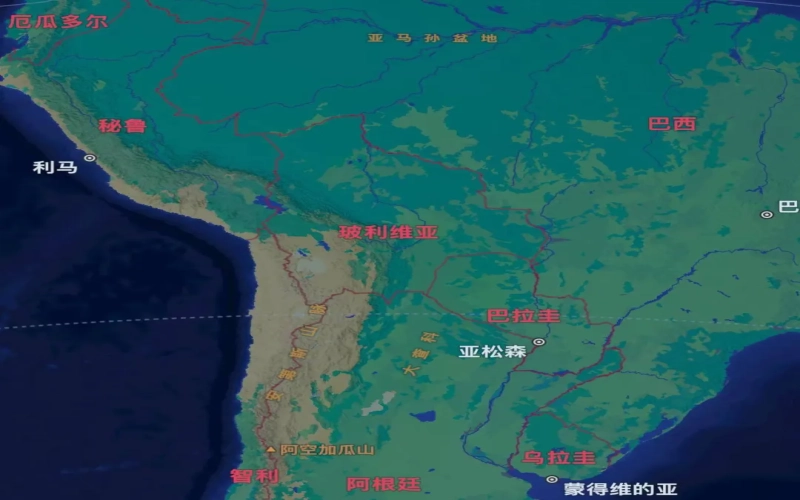
An In-Depth Analysis of Bolivian Coffee Origins: The Yungas Region, Major Cultivated Varieties, and the Java Character
Among the many coffee-producing countries in South America, Bolivia, though landlocked, has cultivated remarkably high-quality coffee thanks to its unique geography and climate. Its coffee cultivation is highly concentrated in the Yungas region, which accounts for more than ninety percent of the country's output. The growing areas include Yungas, Copacabana, and Caravina in La Paz, each with distinctive flavors. In terms of varieties, besides Typica and Caturra, a standout Java variety is also grown, known for its strong disease resistance and outstanding flavor. Front Street Coffee will take you into Bolivia to explore the full picture of the country's coffee industry. [more…]
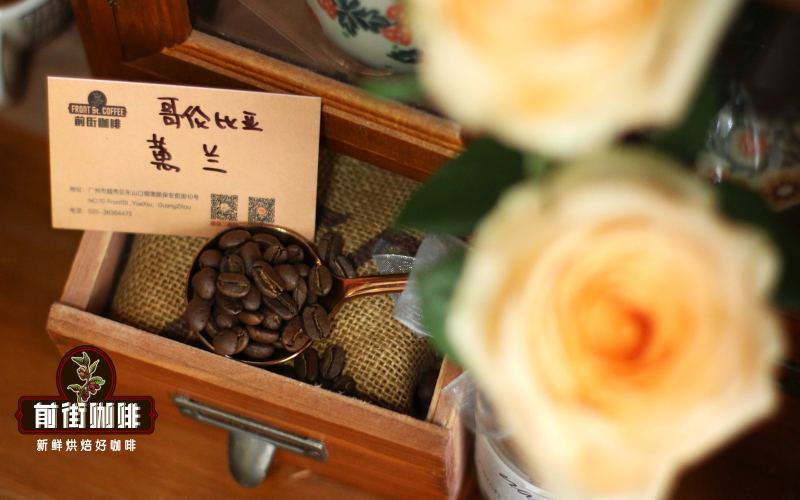
Colombian Coffee Flavor Analysis and Pour-Over Guide: A Complete Tasting Approach from Origin to Processing Method
Colombian coffee occupies an important place in the global specialty coffee landscape, known for its balanced, smooth mouthfeel and rich layers of flavor. Starting from the overall characteristics of Colombian coffee, this article systematically sorts out the flavor differences among the main producing regions, the features of various processing methods, and the background of varieties such as Caturra, Catuai, and Castillo. At the same time, Front Street Coffee will share the specific parameters and brewing technique for V60 pour-over Colombian beans, helping coffee enthusiasts better understand and appreciate the unique charm of Colombian coffee. [more…]
Analysis of Colombia Finca La Esperanza Geisha Coffee Beans: Nectar Flavor and a Full View of Estate Cultivation
Geisha coffee has become a star in the specialty coffee world thanks to its unique floral and fruity aromas, and the natural-process Geisha produced at Colombia's Hacienda La Esperanza takes this variety's charm to new heights. This article starts with a cup of La Esperanza's Margarita plot Geisha, sourced through Front Street Coffee, to guide you through La Esperanza's history, the distribution of its five sub-farms, the terroir advantages of the Cauca Valley producing region, and the estate's relentless pursuit of variety experimentation, meticulous harvesting, and processing. If you are a Geisha enthusiast, or are looking for an outstanding Colombian single-origin bean, this article will provide you with a complete reference. [more…]
Where Do Guatemalan Coffee Flavors Come From? A Complete Guide to the Two Classic Regions of Huehuetenango and Antigua
Guatemala is a highly representative coffee-producing origin in Latin America, and its beans are known for their rich fruity notes, full body, and distinctive smoky aftertaste. Among the Front Street Coffee daily staple bean series, Guatemalan coffee is a representative example of the typical flavors of this origin. From the perspective of Front Street Coffee's sourcing approach, this article systematically reviews Guatemala's geography and climate, historical development, altitude classification system, and the respective characteristics of two star regions—Huehuetenango and Antigua—and combines the cupping performance and brewing parameters of two beans, Front Street Guatemala Huehuetenango and Front Street Guatemala Antigua La Flor del Cafe, to help coffee enthusiasts build a complete understanding of Guatemalan coffee. [more…]
A Complete Guide to Guatemalan Coffee: Terroir of Eight Major Regions, Grading System, and Classic Flavor Profile
Guatemala is a major coffee-producing country in Latin America. Two-thirds of its territory consists of mountainous highlands, where volcanic soil and high-altitude microclimates together shape a classic flavor profile that combines fruity notes with a full-bodied richness. Among Front Street Coffee's daily drinking bean series, Guatemala Huehuetenango is a representative of this regional style. This article, from Front Street's cupping perspective, will outline Guatemala's geographical conditions, coffee-growing history, regional divisions, and altitude classification system, and, using the two major regions of Huehuetenango and Antigua as examples, present the specific information and brewing parameters of Front Street's Guatemalan coffee beans, helping coffee enthusiasts build a systematic understanding of Guatemalan coffee. [more…]
How do you make cold brew coffee taste great? From coffee-to-water ratio to equipment, Front Street teaches you bean selection and brewing tips.
As the weather gradually warms up, iced coffee becomes a favorite for many, and cold brew, with its smooth taste brought by long low-temperature steeping, is winning over more and more coffee lovers. Starting from Front Street Coffee's actual practice, this article introduces the basic method of cold brew, the coffee-to-water ratio and extraction time, and shares the reason why cold brew made with soda water tends to be too concentrated, as well as the difference in taste after blending with fresh milk versus creamer. At the end, it also compiles eight specialty coffee beans suitable for making cold brew, covering producing regions such as Yirgacheffe, Huakui, Butterfly, and Huilan, for you to choose according to your flavor preference. [more…]